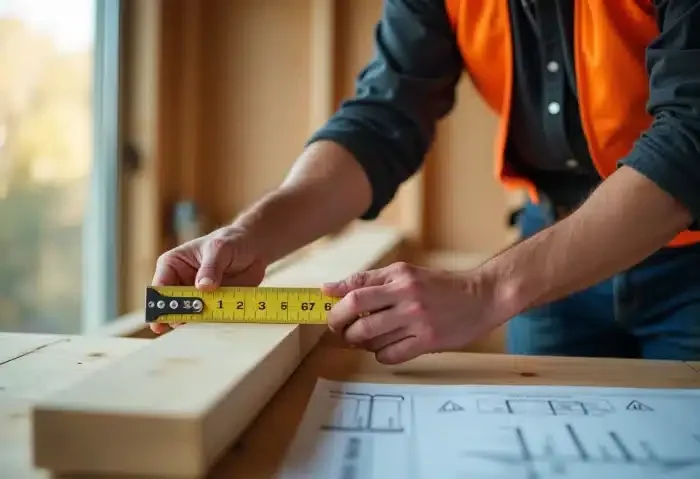
In the construction field, precision is essential to ensure the safety and durability of structures. Measurement conversion errors can lead to cost overruns and project delays, or even safety issues. You need to master certain tips to convert measurement units accurately.
For example, using specialized applications allows you to save time and avoid human errors. Having a good understanding of the equivalences between different measurement systems (metric, imperial) is essential. Tools like online converters or conversion tables can prove valuable for quickly and effectively verifying calculations.
Essential tools for precise measurement conversions in construction
In the construction sector, precise measurement conversion is a necessity. Measurement units such as linear meter and square meter are commonly used to quantify various materials. The linear meter measures the length of materials like baseboards, cables, or pipes, while the square meter applies to the area of surfaces like flooring and wall coverings.
Digital tools play a fundamental role in measurement conversion. Specialized applications and software allow for quick and accurate conversions, thus reducing human errors. Here are some items to integrate into your practices:
- Conversion apps for smartphones
- Construction management software with integrated conversion modules
- Reliable online converters
A thorough understanding of the equivalences between measurement systems is necessary. For example, to convert linear meters to cubic meters, you need to know the width and height of the materials involved. Similarly, for flooring in square meters, converting to cubic meters requires considering the thickness of the material.
| Unit | Material | Example of use |
|---|---|---|
| Linear meter | Baseboards, cables, pipes | Length of baseboards for a room |
| Square meter | Floor coverings, wall coverings | Area of a parquet floor |
The precision of measurements on-site is a significant aspect. Use measuring tools such as laser distance meters and electronic levels to ensure accurate readings. Incorporate regular checks and cross-reference the obtained data with the project plans to anticipate any discrepancies.
By following these practices, you will be able to establish accurate quotes, optimize costs, and ensure the success of your construction projects.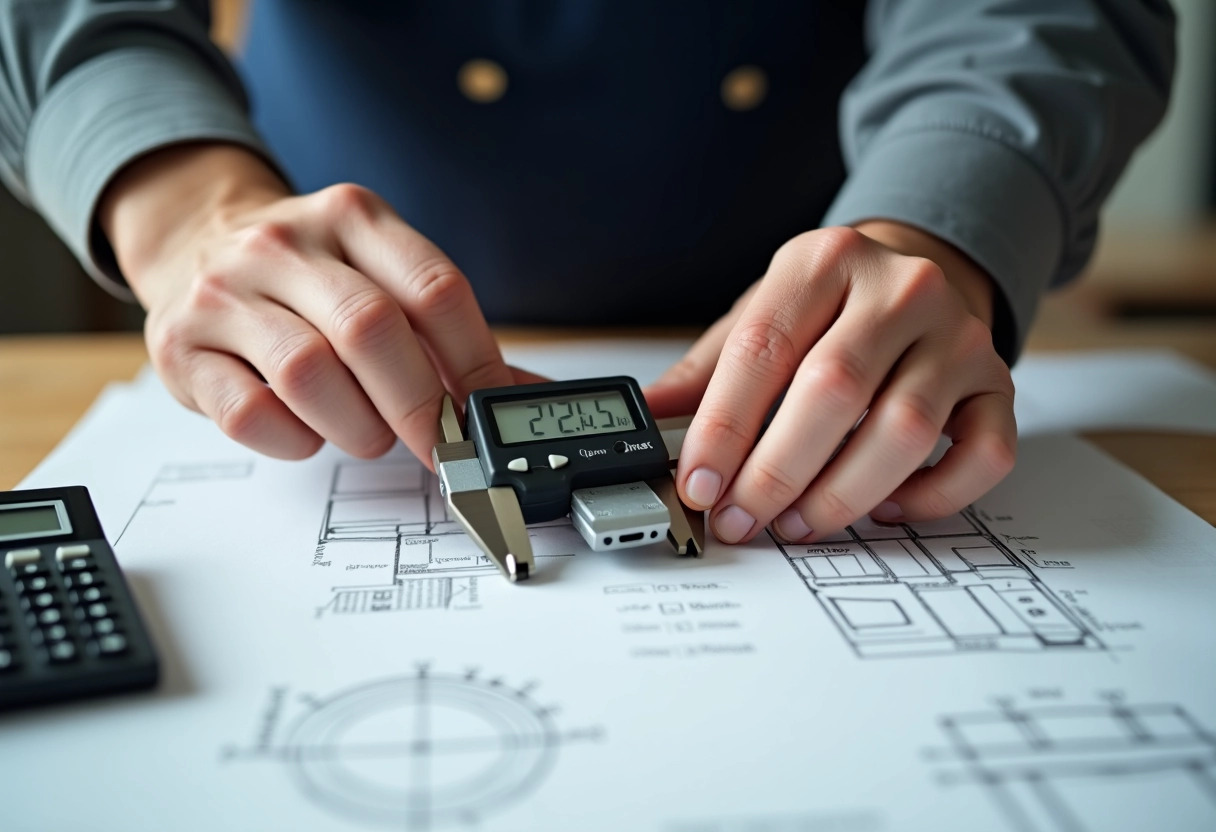
Techniques and tips to avoid common errors
Accurate measurement taking is essential from the preconstruction phase. The measurement site is an integral part of this process. Carefully checking the project plans allows for the establishment of an accurate materials list. Use a measurement manual that contains all the pages of the plans to avoid any omissions.
A manual measurement count can be tedious but remains reliable. It requires counting each item yourself, thus ensuring increased accuracy. To avoid errors:
- Systematically check the scales on the plans for materials.
- Cross-check the data with the project plans.
- Use modern measuring tools for optimal precision.
The costs of materials must be carefully summed to obtain the final quote. Digital tools can facilitate this task by reducing the risks of human errors. KPIs (key performance indicators) play a fundamental role. They include the accuracy rate, the sales conversion rate, and the bid win rate, among others. These indicators help you track and optimize your project’s performance.
Adhering to measurement and verification procedures ensures not only the accuracy of the data but also the project’s profitability. The use of modern techniques and rigorous practices is essential to avoid common errors and ensure customer satisfaction.