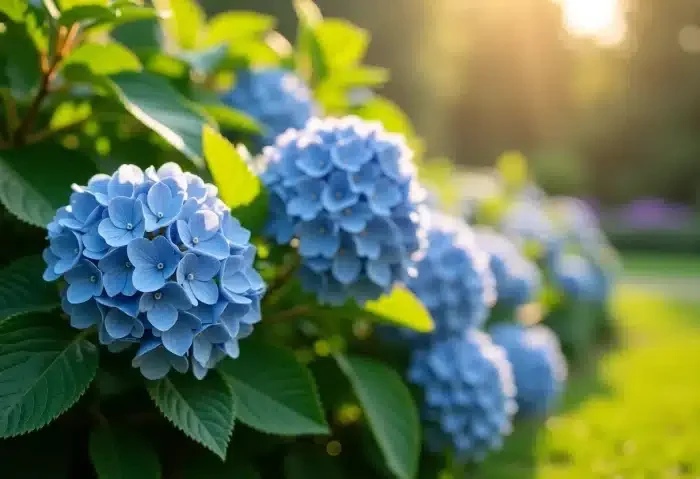
Generous in colorful flowers, the hydrangea beautifies gardens and balconies but requires special attention. This ornamental plant, native to Asia, demands specific care to fully thrive. The choice of soil, exposure to sunlight, and regular watering are essential criteria to ensure abundant blooming.
Even with the best care, the hydrangea can encounter common problems. Diseases such as powdery mildew or pest attacks like aphids can affect the health of the plants. Recognizing the signs of these issues and acting quickly helps preserve the beauty of these iconic flowers.
Hydrangea Care: Watering, Fertilization, and Pruning
Caring for a hydrangea requires a fine understanding of its needs. Regular watering is fundamental. The hydrangea, especially during the blooming period, requires consistent moisture. Use non-limestone water to avoid making the soil too alkaline.
Fertilization
To promote healthy growth and abundant blooming, nutrient supply is necessary. A specific fertilizer for acid-loving plants, rich in potassium and phosphorus, should be applied in spring and summer. Avoid excess nitrogen that encourages leaf growth at the expense of flowers.
Pruning
Pruning the hydrangea is done after blooming, usually in autumn. Cut off faded flowers as well as dead or weak branches to stimulate the production of new branches. For varieties like hydrangea macrophylla, do not prune too short, as flower buds form on the wood from the previous year.
Growing Conditions
The hydrangea thrives in acidic, rich, and well-drained soil. A mixture of heather soil is ideal for planting your hydrangeas in the ground or in pots. This plant prefers partially shaded locations, sheltered from strong winds.
- Watering: frequent, with non-limestone water.
- Fertilization: fertilizer for acid-loving plants in spring and summer.
- Pruning: after blooming, in autumn.
Discover the variety of green flower hydrangea for a unique touch in your garden. The colors of the flowers can vary depending on the soil pH, offering an impressive palette of shades.
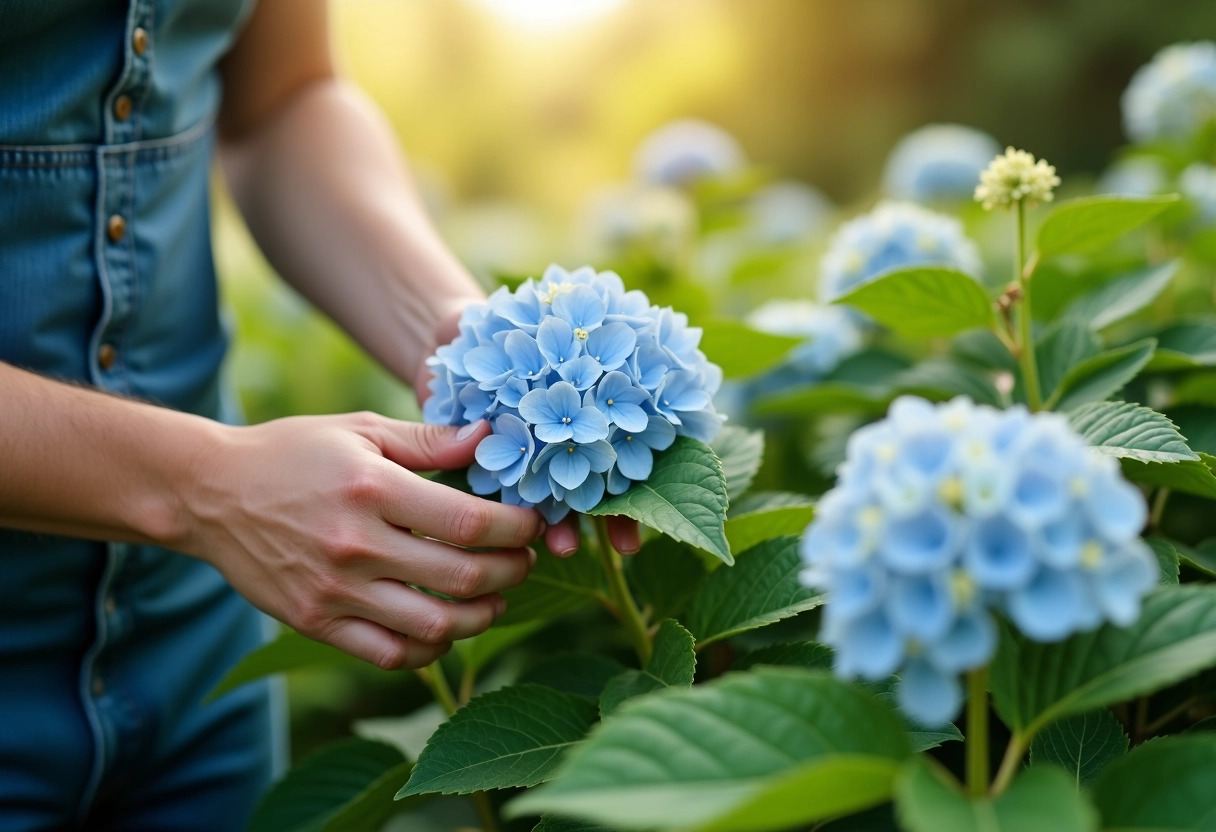
Common Problems and Solutions for a Healthy Hydrangea
Diseases
The hydrangea can be affected by diseases such as gray rot and powdery mildew. Gray rot, caused by the Botrytis fungus, appears as brown spots on flowers and leaves. To combat this issue, limit humidity and ensure good air circulation around the plants.
- Gray rot: avoid excess humidity, aerate your plantings.
- Powdery mildew: treat with an appropriate fungicide.
Pests
Red spiders and mealybugs are common pests. Red spiders cause discoloration on the leaves, while mealybugs appear as cottony white clusters. Treat with organic insecticides to preserve the health of your hydrangea.
- Red spiders: use specific acaricides.
- Mealybugs: clean affected areas with 90° alcohol.
Winter Protection
To protect your hydrangea from the cold, especially in winter, cover it with a winter fleece. This precaution is essential for less hardy varieties. If your hydrangea is in a pot, bring it indoors to a sheltered and bright location.
Also consider the importance of maintaining a good balance between nutrients and watering to avoid water stress, which can make the plant more vulnerable to diseases and pests.
Summary Table
| Problem | Symptoms | Solution |
|---|---|---|
| Gray rot | Brown spots on flowers and leaves | Reduce humidity, aerate |
| Powdery mildew | White fluff on leaves | Fungicide |
| Red spiders | Discoloration of leaves | Acaricide |
| Mealybugs | Cottony white clusters | Cleaning with alcohol |