The choice of an alternative house is no longer about the shape of the building. It hinges on the project leader’s ability to absorb a set of regulatory, financial, and psychological constraints that most inspirational articles overlook. Understanding these barriers before choosing a type of habitat radically changes the approach to the project.
Legal Constraints and Urban Planning of Alternative Houses
Any alternative house, whether it is a tiny house, a lightweight habitat, or a construction made from bio-sourced materials, faces the same obstacle: compatibility with local urban planning rules. The Local Urban Planning Plan determines whether a plot of land can accommodate a removable, mobile, or atypical construction. Without prior verification, a project can be blocked after months of preparation.
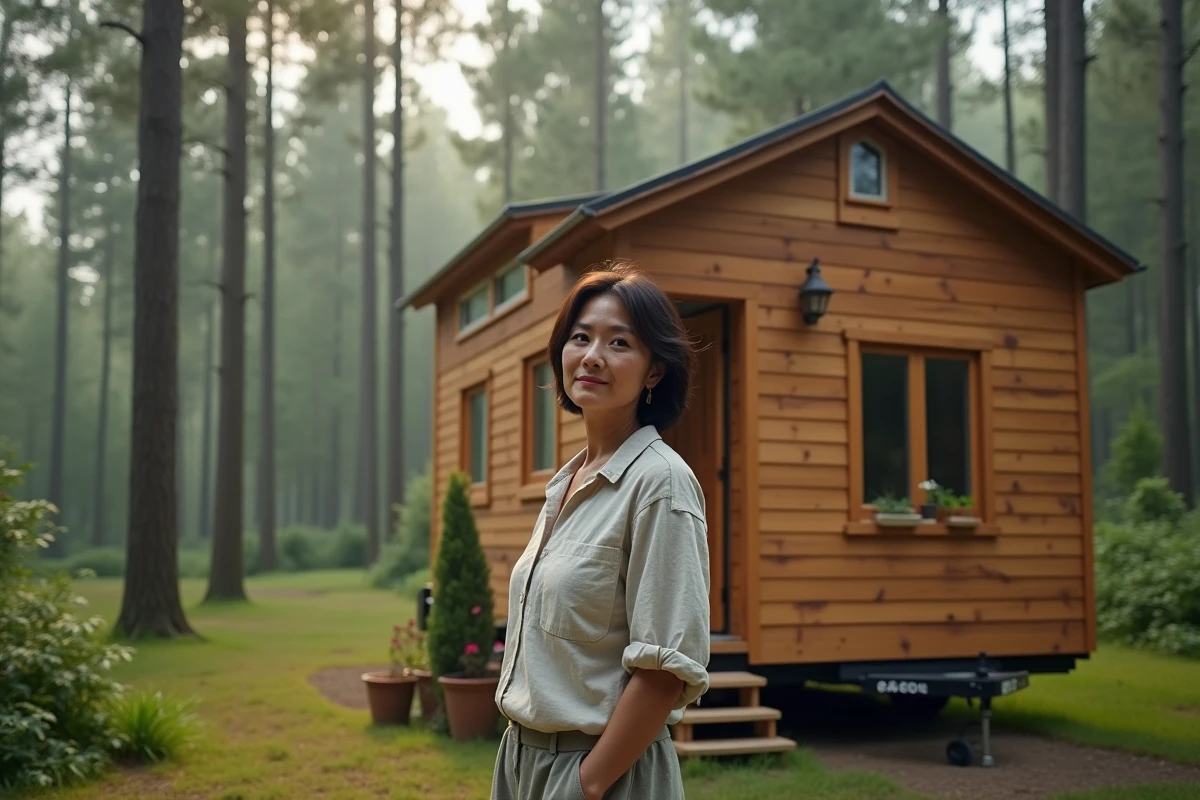
The distinction between mobile and fixed habitat affects taxation. A structure on wheels (tiny house on a trailer) generally falls under the regime of mobile residences, but as soon as it remains parked for more than three consecutive months on private land, it shifts into a different framework. Connection to networks (water, electricity, sanitation) adds a layer of complexity, as it requires separate authorizations from those related to the construction itself.
We observe that project leaders consistently underestimate the time required for administrative processing. Before dreaming of wood, yurts, or shipping containers, one must arbitrate between real mobility and sustainable placement, as this choice commits the entire course of the project.
For those wishing to explore construction pathways and concrete feedback, discovering alternative houses on Maisons Alternatives allows for confronting several typologies with their real constraints.
Tiny House, Lightweight Habitat, and Wood: Real Uses Beyond Primary Residence
The tiny house market has structured itself well beyond mere permanent housing. Uses have diversified towards remote work, seasonal tourist accommodation, supplementary housing on an existing property, or even temporary lodging on agricultural land.
This diversification changes the project’s framework. An alternative habitat designed for tourist accommodation does not have the same insulation, connection, or compliance requirements as a primary residence. The use case determines the technical specifications, not the other way around.
- Primary residence: complete thermal requirements, mandatory connections, classic property taxation in most cases
- Isolated office or workshop: reduced area, no systematic sanitary connection, prior declaration often sufficient
- Seasonal accommodation: public reception standards, specific insurance, constraints related to potential tourist classification
- Family supplementary housing: variable tolerance depending on municipalities, risk of reclassification as permanent construction
Wood construction remains the common denominator of most of these projects. It offers a good balance between structural lightness, thermal performance, and adaptability to compact formats. However, wood is not synonymous with simple self-construction: joints, treatments, and ventilation require real technical mastery.
Psychological Sobriety and Group Living: The Invisible Barriers of Eco Projects
Alternative houses are no longer driven solely by an ecological discourse. They also address issues of mental health, voluntary sobriety, and the search for psychological comfort. This shift is notable: the alternative habitat project becomes a comprehensive life project, not just a construction choice.
This dimension complicates decision-making. Living in a reduced space requires accepting a radical sorting of possessions, increased proximity if the household includes several people, and a more demanding daily management of water and energy than in a conventional home. The mental load associated with autonomy is rarely anticipated.
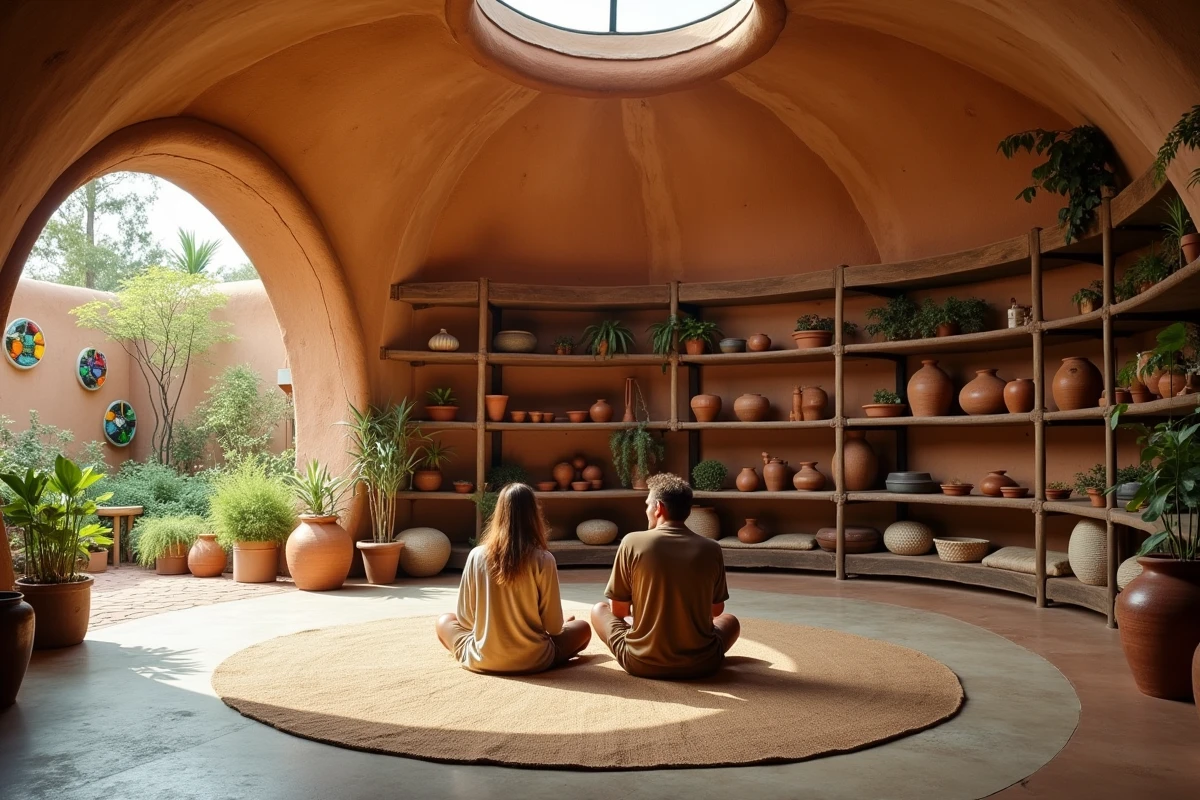
For projects in eco-villages or participatory habitats, the collective dimension adds a layer of friction. Group governance, sharing of common spaces, cohabitation rules: these issues lead to more project dropouts than technical constraints. We recommend testing group living (temporary cohabitation, extended stay in a collective space) before committing financially to shared housing.
Training and Practical Guide: Preparing a Viable Alternative Habitat Project
A viable alternative house project relies on three pillars: technical training, knowledge of the local regulatory framework, and a realistic budget that includes hidden costs.
Training in self-construction (wood framing, insulation with ecological materials, water management) has multiplied. They help reduce construction budgets, but they do not replace professional support for sensitive technical lots (electricity, waterproofing, foundations, or anchoring).
- Check the local PLU of the targeted municipality before any land acquisition
- Consult the CAUE (Council of Architecture, Urban Planning, and Environment) of the department for free advice on feasibility
- Allocate a budget line dedicated to connections and autonomous sanitation, often underestimated
- Include the cost of a damage insurance policy, even in partial self-construction
The feasibility guide precedes the inspiration guide. Too many projects start with aesthetic choices (yurt, dome, container, tiny) while the first question remains that of the land, its zoning, and its easements.
The most successful alternative house is not the most photogenic. It is the one whose project leader has locked in every administrative and technical step before laying the first board of wood. The rest, the form, the materials, the lifestyle, flows from these invisible but decisive foundations.