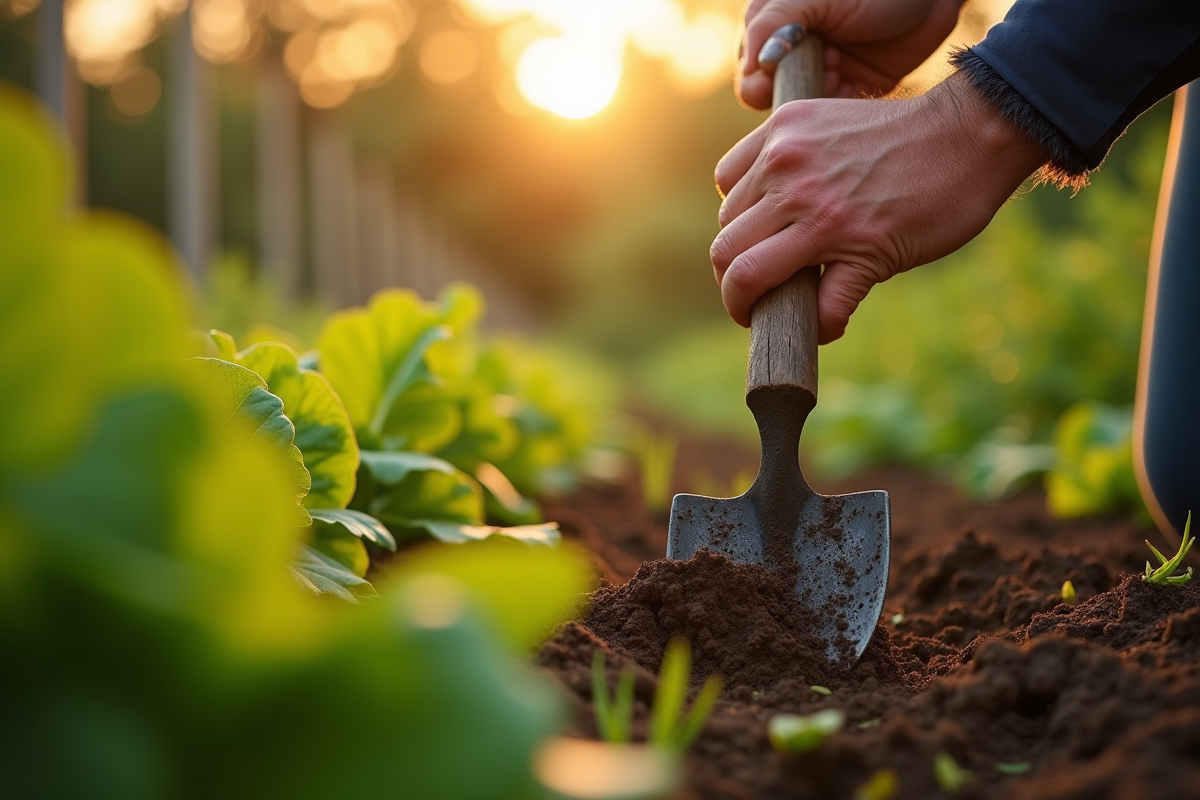
A rusty pruner, rescued from the depths of a shed, cuts through a stubborn stem with precision. Next to it, the electric hedge trimmer hums, impatient yet unnecessary. Why do so many gardeners trade motors and batteries for the simplicity of bygone gestures?
Some whisper that the hand feels the sap better, that each stroke of the spade is part of a silent dialogue with the earth. Others, weary of breakdowns or noise, seek a return to effective slowness. Between nostalgia and pragmatism, the pendulum swings: must one really choose between tradition and efficiency to cultivate their patch of greenery?
Why manual tools are once again appealing to gardeners
The return of manual tools in gardening is no longer just a passing fad. It reveals a collective questioning about the meaning of the gesture, about how to preserve the connection with the earth while maintaining natural balances. Far from mechanical frenzy, this renaissance is explained by several concrete factors:
- Environmental respect: no fuel, no battery, thus a reduced ecological footprint. The manual reel mower, mentioned in ‘The essentials of the manual mower’, stands out as a sober alternative to the gas mower: it cuts silently and emits no smoke.
- Precision of the gesture: from the pruner to the hoe, the hand adjusts each intervention, plant by plant. Human and social sciences note that this return fosters a better understanding of plant growth and health, through close observation.
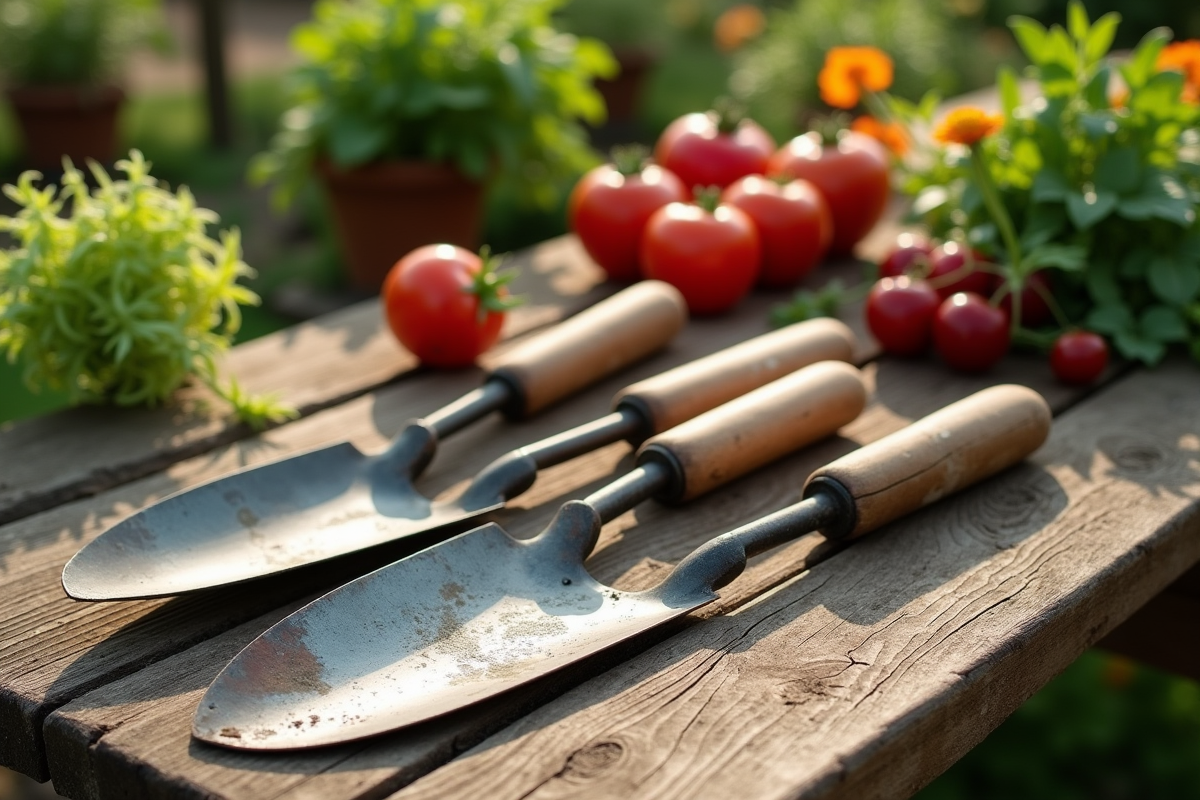
- Durability: forged steel tools, with wooden handles, stand the test of time. Here, repair takes precedence over disposability, and the tool becomes a companion rather than a consumable.
This play of balance between tradition and innovation is also appealing for the sensory dimension it brings back to the forefront. The hand listens to the soil, gestures become more refined, and the garden transforms into a laboratory of sobriety. Each tool, through its regained simplicity, helps preserve the ecosystem and transmit a know-how shaped over time.
From pruner to broadfork: how to choose and use the essentials of authentic gardening
The choice of manual tools shapes the gardener’s relationship with their territory. Each of these instruments extends the hand, modulates strength, and respects both the soil and the growth of plants. Selecting the right equipment is not a whim or a compulsive accumulation: it all depends on the soil, the crops in place, and the frequency of intervention.
- The pruner: robustness and precision are its two cardinal virtues. A model with sharp blades made of stainless steel ensures a clean cut, preserving tissues and promoting plant vigor. Nothing beats a well-designed wooden handle to avoid fatigue and pain when trimming hedges or shrubs.
- The broadfork: this fork with tines has revolutionized vegetable gardening. It loosens the soil without disturbing the fertile layers, thus preserving the microbial life essential for fertility. Regular use helps avoid the need for a tiller while protecting the soil structure and crops.
When purchasing, durability should take precedence: opt for repairable tools, with spare parts available, and store them carefully out of harm’s way. Certainly, price matters, but the quality of the blade, the grip, or the reliability of delivery in mainland France also deserve consideration. The opinions of other gardeners are often more enlightening than a simple technical comparison.
From Paris to more isolated gardens, the choice of manual tools shapes the success of the vegetable garden. This approach, far from being retrograde, paves the way for eco-responsible practices and invites us to reinvent our relationship with time, nature, and the sharing of an experience that transcends generations. The motor does not always have the final word: sometimes, patience and the precision of the gesture make all the difference.