
A headache, a quick search, and suddenly, the possibility of simple fatigue brushes against the specter of serious illnesses. The web, this distorting mirror, promises both relief and anxiety. Between forums where everyone becomes an expert, health influencers multiplying miracle advice, and cutting-edge apps, the line between medical truth and digital misinformation has never been so blurred.
One click, and everything changes: we think we find calm, but sometimes it’s anxiety that prevails. But who, in the shadow of the keyboard, orchestrates this cacophonous symphony? Behind every page, invisible algorithms adjust our beliefs, feed our doubts. Should we trust these automated diagnoses or maintain the cautious distance we reserve for grandma’s remedies?
Online medical information: between opportunities and risks for users
Connected health has transformed how patients access health information. Today, everything is at our fingertips: from the slightest symptom typed into Google to the daily management of a chronic illness via a mobile app. Connected devices tirelessly record our blood pressure, pulse, and blood sugar levels, generating a mass of personal data that raises questions about privacy and the security of the healthcare system, both in France and across Europe.
The advancements are tangible: 24/7 accessible advice, tailored monitoring, increased autonomy for those living with a chronic illness. Artificial intelligence is entering early diagnosis, offering a new face to the patient-doctor relationship, sometimes remotely. Telemedicine has flourished, driven by the health crisis, finally providing some isolated areas with access to specialists.
However, this abundance of online medical content comes with significant pitfalls:
- Rapid spread of false information or advice without medical foundation.
- Obscure collection and use of health personal data.
- Fragilization of the trust bond with doctors, too often replaced by the verdicts of social networks or poorly regulated forums.
In this digital chaos, finding a reliable reference becomes a necessity. Pharamond Santé positions itself as a demanding mediator between the revolution of digital health and the need for clarity among patients. As the dedicated page reminds us, vigilance and discernment remain essential, both in choosing sources and managing personal data.
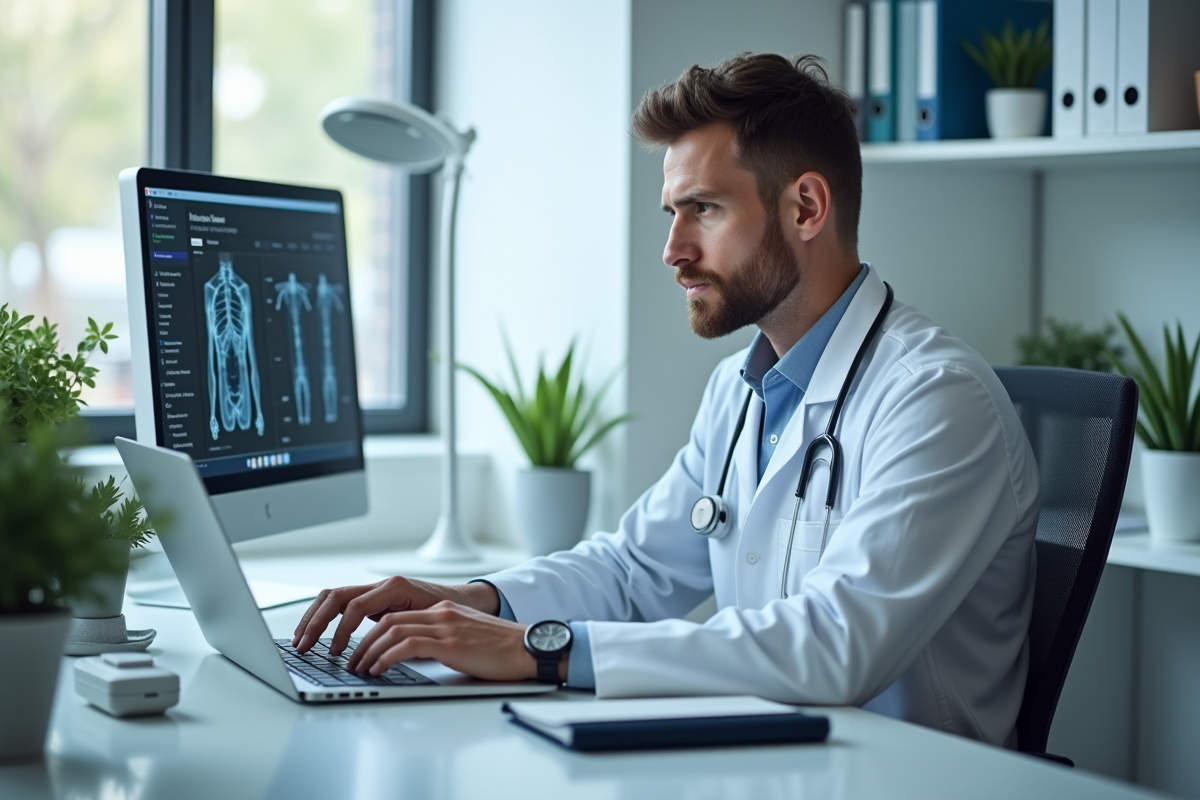
How to distinguish the reliable from the dubious in the jungle of connected health content?
Never have connected platforms and medical devices been so numerous, blurring the lines. The digital health space is overflowing with information of all kinds, and it is essential to know how to sort it. Content from social networks, often not validated by health professionals, infiltrates the daily lives of internet users. In Paris, Marseille, or elsewhere, regional health agencies regularly remind the necessity of relying on controlled and reliable information.
Identifying trust indicators becomes indispensable:
- Explicit medical validation or guarantee from an official organization.
- Transparency regarding the management of personal data and compliance with social security rules.
- Clear identification of the author: health professional or recognized structure.
The difference between a trustworthy medical service and dubious content lies in traceability and digital ethics. The public health code strictly regulates the dissemination of medical information online and requires each actor to take responsibility.
Here, at a glance, is a table to grasp the key criteria:
| Criterion | Reliable content | Dubious content |
|---|---|---|
| Professional validation | Yes, clearly stated | No or ambiguous |
| Data protection | Transparent, GDPR compliant | Unclear, absent |
| Source of information | Identified professional | Anonymous or unverifiable |
The vigilance of internet users, coupled with the responsibility of platforms, shapes the contours of health information that deserves to be heeded. Between clarity and fog, everyone must learn to read between the lines to avoid getting lost in the digital crowd.