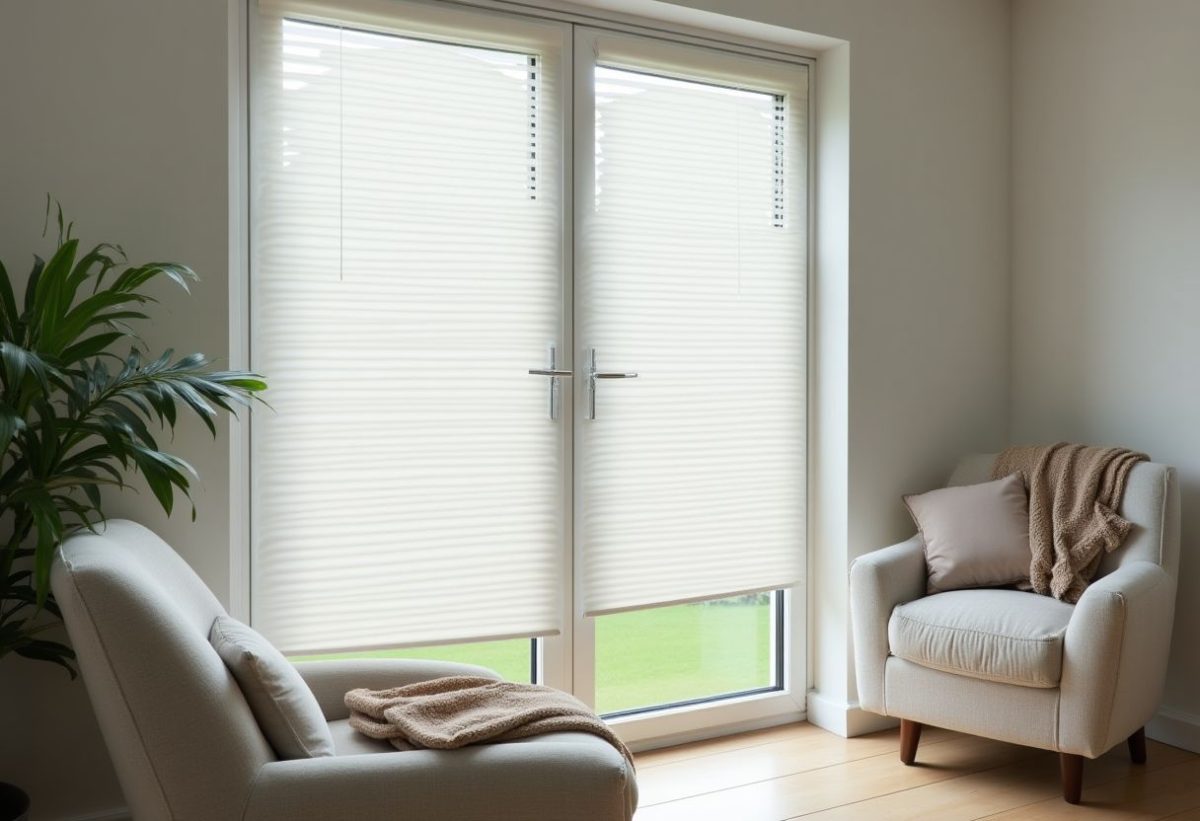
A poorly sized blind is not just a detail that clashes in the room: it guarantees the loss of the magic of the day-night blind, that subtle balance between light play and discretion. An approximate measurement sabotages both the visual effect and practicality. The whole challenge lies in the precision of the gesture, the proper understanding of the steps, and the anticipation of the specificities of each window.
Determine the appropriate installation type
Before pulling out the tape measure, it’s time to decide: will the blind blend into the window frame or will it stand out outside, asserting its presence? This choice of installation modifies both the visual aspect and the way light flows in the room.
Interior installation is aimed at those seeking discretion and clean lines: the blind then follows the contours of the window, almost erasing its own existence. In contrast, exterior installation covers the entire frame. It is preferred to create a sense of expanded openness or to hide irregular edges. Each person chooses according to their desires and the shape of their windows.
Depending on the type of installation, here are the points to watch out for before you start measuring:
- Interior installation: measure the width at three different levels (top, middle, bottom) and keep the narrowest to avoid unpleasant surprises in case the window is slightly crooked.
- Exterior installation: take the width of the frame from end to end. Don’t hesitate to add a few centimeters to enhance the enveloping effect and ensure optimal blackout.
Measure accurately: method and tools
Now, it’s time for the technical gesture. Armed with your metal tape measure, banish any approximation: the custom blind refuses the slightest deviation, no matter how small.
When measuring the width, do not give in to the temptation to round. Note the measurement precisely, without rounding or increasing. For the height, start from the top of the frame to the desired low point, keeping the tape straight. Nothing beats a double-check, even if it means starting over: sometimes those famous millimeters, neglected too quickly, turn a successful project into disappointment.
Keep in mind a few practical recommendations to avoid missing anything during the measurement:
- Carefully inspect the frame. Old windows often have angles that are not quite straight or slight irregularities to detect in advance.
- Immediately record each measurement in a notebook reserved for this purpose, to avoid any confusion or inversion when ordering.
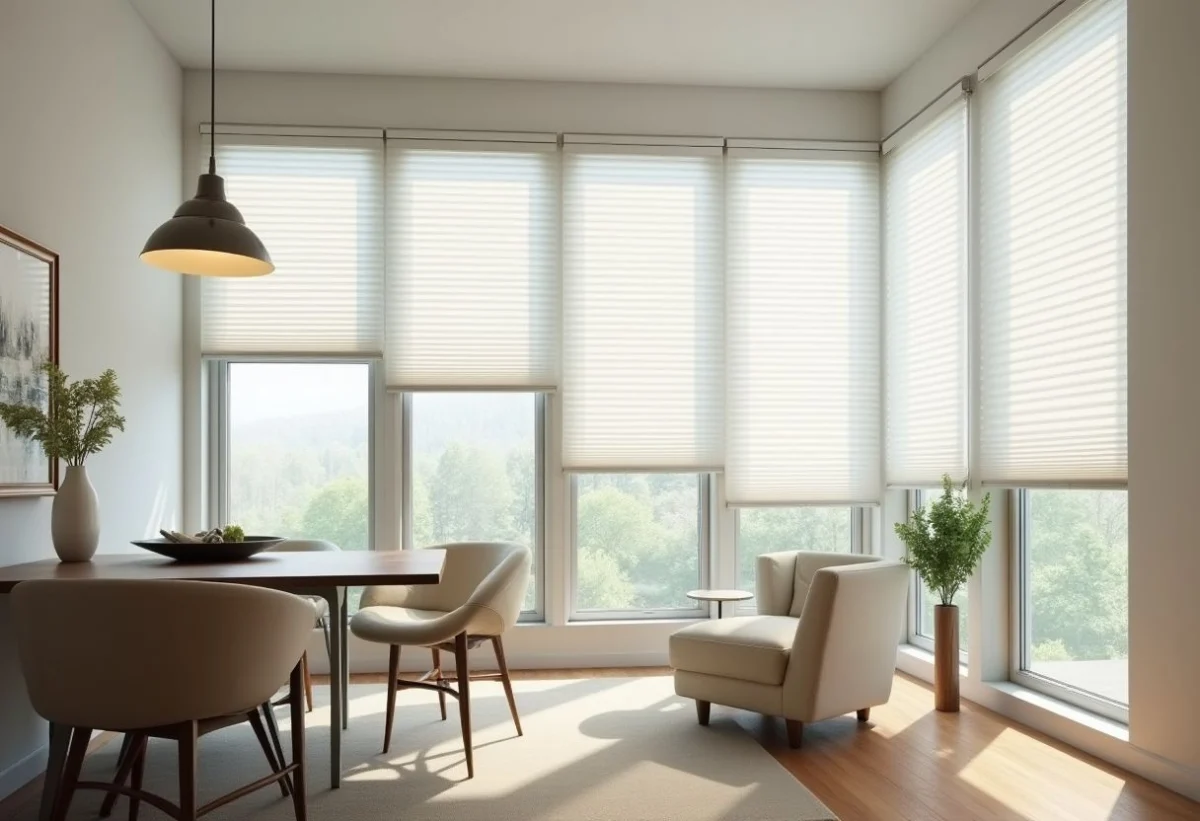
The specifics of each window matter
No window is exactly like another. Between bulky handles, capricious moldings, and unexpected small obstacles (radiator, shelf…), every detail can make installation more complex than expected. Anticipation therefore becomes a golden rule.
Before validating your measurements, detail the immediate environment of the window. A radiator below? A handle too far forward on the side? Everything must be taken into account to avoid unpleasant surprises. For a window that opens inward, allow the necessary space for the blind to operate without blocking or banging with each opening.
To avoid missteps, adopt this simple and pragmatic approach:
- Identify each obstacle present around the window.
- Add the necessary margin to ensure that the blind will not interfere with opening or closing.
- Consider the impact of these choices on the aesthetic balance of the room, so that the final result combines functionality and harmony.
Opt for custom: the guarantee of a result that meets expectations
Choosing a day-night blind specifically designed for your dimensions means betting on precision down to the smallest detail. Standard models may look good on paper, but struggle to fit perfectly on windows that deviate from the mainstream templates.
This goes beyond measurements: material, color, opening mechanism, and finishes can all be customized to adjust your blind exactly according to your preferences and the style of the room. A good day-night blind does not just dress the window: it transforms light, asserts the atmosphere, and enhances comfort. The investment is justified by its durability and that extra soul that is noticeable at first glance.
A rigorously adjusted blind fades when needed, animates light at will, and draws the subtle boundary between intimacy and openness every day. More than an accessory, it then becomes the timeless signature of the room.